Blogs
ABB SPDSI13 Module Common Faults and Troubleshooting
Dec
Introduction
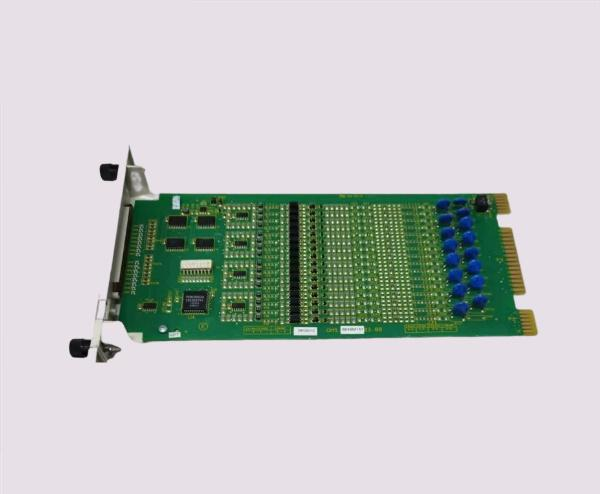
The ABB SPDSI13 module plays a critical role in industrial automation, providing signal acquisition, logic processing, and communication with PLC and DCS systems. Despite its high reliability, operators may encounter faults due to installation errors, environmental conditions, or system misconfigurations. Understanding common issues and their solutions is essential to maintain smooth industrial operations.
Wuhan Yuli Automation Technology Co., Ltd. (website: www.wuhanyuli.com) provides original ABB SPDSI13 modules and technical support to ensure reliable performance and quick fault resolution in automation systems.
This article explores the most frequent SPDSI13 module faults, diagnostic methods, and practical solutions, helping industrial users maximize system uptime.
Common Faults Overview
Operators often report several types of SPDSI13 faults, which can generally be categorized as:
-
Power and Electrical Faults
-
Signal Communication Issues
-
Input/Output Channel Errors
-
Environmental or Mechanical Failures
-
Software or Configuration Errors
Analyzing these faults systematically allows quick identification and resolution, minimizing production downtime.
Power and Electrical Faults
Symptom: Module fails to power on or intermittently shuts down.
Causes: Incorrect voltage, unstable power supply, or loose connections.
Solution:
-
Confirm the module voltage matches PLC specifications.
-
Check wiring and connectors for tightness.
-
Install surge protection if the power supply fluctuates frequently.
Proper electrical setup prevents recurring power issues and ensures stable operation.
Signal Communication Issues
Symptom: Data transmission delays, loss of signals, or PLC not recognizing the module.
Causes: Incompatible communication protocol, damaged bus cables, or interference.
Solution:
-
Verify SPDSI13 supports the PLC’s communication protocol (e.g., Profibus, Modbus).
-
Inspect cables and connectors for physical damage.
-
Shield wiring against electromagnetic interference.
Ensuring proper communication alignment reduces errors and improves system responsiveness.
Input/Output Channel Errors
Symptom: Certain channels fail to read or control signals properly.
Causes: Incorrect channel assignment, faulty field devices, or module damage.
Solution:
-
Double-check I/O mapping in PLC software.
-
Test connected devices independently to rule out hardware failure.
-
Replace the SPDSI13 module if channels consistently fail.
Correct channel configuration and testing maintain accurate process control.
Environmental or Mechanical Failures
Symptom: Module malfunctions during high temperature, dust accumulation, or vibrations.
Causes: Module exposure to extreme conditions beyond specified limits.
Solution:
-
Install SPDSI13 in a climate-controlled ABB-approved cabinet.
-
Apply dust filters or enclosures to protect against debris.
-
Secure modules to reduce vibration effects.
Proper environmental management extends module life and reduces operational risk.
Software and Configuration Errors
Symptom: Module status indicators show errors, or logic execution fails.
Causes: Firmware mismatch, outdated PLC software, or incorrect configuration.
Solution:
-
Update firmware to the latest ABB-approved version.
-
Ensure PLC programming software recognizes SPDSI13 channels correctly.
-
Back up configurations and restore defaults if necessary.
Maintaining updated software ensures optimal module performance and system compatibility.
Step-by-Step Troubleshooting Guide
-
Visual Inspection: Check module LEDs, physical condition, and cable connections.
-
Power Verification: Confirm correct voltage and stable power supply.
-
Communication Test: Ping the module from the PLC or DCS system.
-
I/O Verification: Test individual channels using known good devices.
-
Environmental Check: Ensure temperature, humidity, and EMI conditions are within limits.
-
Firmware and Software Validation: Confirm that firmware and PLC software are compatible and up-to-date.
-
Replacement Protocol: If faults persist, replace the module with an original ABB SPDSI13 unit.
Following these steps systematically resolves most issues without unnecessary downtime.
Case Examples
-
Water Treatment Plant
A SPDSI13 module failed intermittently due to voltage fluctuations. Installing a regulated power supply and surge protection resolved the issue, restoring stable signal acquisition. -
Chemical Processing Facility
Communication errors between SPDSI13 and PLC caused process delays. Replacing damaged bus cables and updating firmware eliminated signal loss. -
Manufacturing Line Automation
Channel errors were traced to incorrect I/O mapping in PLC software. Correcting the configuration restored full functionality and improved production reliability.
Best Practices to Prevent Future Faults
-
Use original ABB SPDSI13 modules to guarantee performance.
-
Maintain proper installation procedures to avoid mechanical or electrical issues.
-
Keep firmware and software up-to-date for seamless integration.
-
Ensure controlled environmental conditions, including temperature, dust, and EMI protection.
-
Perform periodic inspections and preventive maintenance to detect early signs of faults.
-
Collaborate with reliable suppliers like Wuhan Yuli Automation Technology Co., Ltd. (www.wuhanyuli.com) for spare parts and technical support.
Conclusion
ABB SPDSI13 modules remain reliable components in industrial automation systems. Understanding common faults and implementing systematic troubleshooting procedures helps industrial operators maintain efficient, safe, and continuous operations. By combining proper installation, maintenance, and professional technical support, users can minimize downtime and maximize productivity.
Wuhan Yuli Automation Technology Co., Ltd. provides original ABB SPDSI13 modules, guidance, and support to ensure industrial systems operate flawlessly, offering a reliable solution for all automation needs.
